The Scoring Samurai is a blog about what it actually takes to do serious orchestral work at a professional level—not just the craft, but the whole ecosystem. The tools that remove friction. The habits that protect the hours. The philosophy that keeps you at the desk when nothing is urgent and everything feels far away. Written by a working orchestrator for anyone who takes the work seriously.

Templates 105: The Hidden Power of the Global Clipboard
Now that you’ve been crafting your own templates, setting up custom lines with special shortcuts, you’re probably flying through heaps of scores in no time! People are starting to look at you in awe, and suddenly, everyone wants you on their project. For a chance to break through, you should definitely accept every offer that comes your way.
Templates 104: Custom Lines
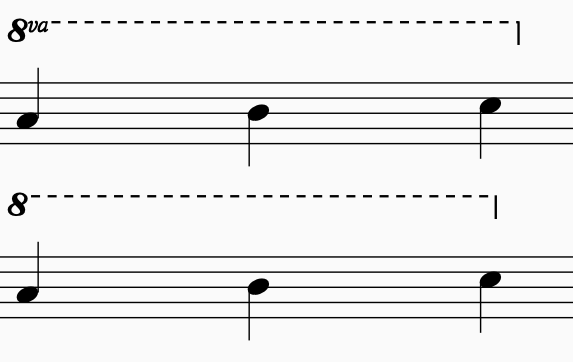
One of the great things about creating your own custom template is that you can make choices regarding the aesthetics of the score and parts, establishing a consistent house style. Reading some of the excellent books and manuals on engraving can provide you with valuable insights into what to look out for. One aspect that can greatly improve the appearance of the score and parts is the design of the octave lines.
Template 103: Edit Instruments
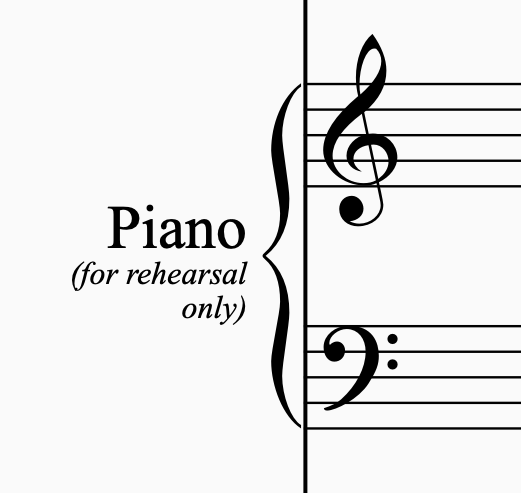
As mentioned in an earlier post about templates, if you need to make changes to any instruments regularly, it's best to do it globally and, preferably, within your template.
Let’s explore what this entails and why it’s beneficial.
Templates 102: The Parts
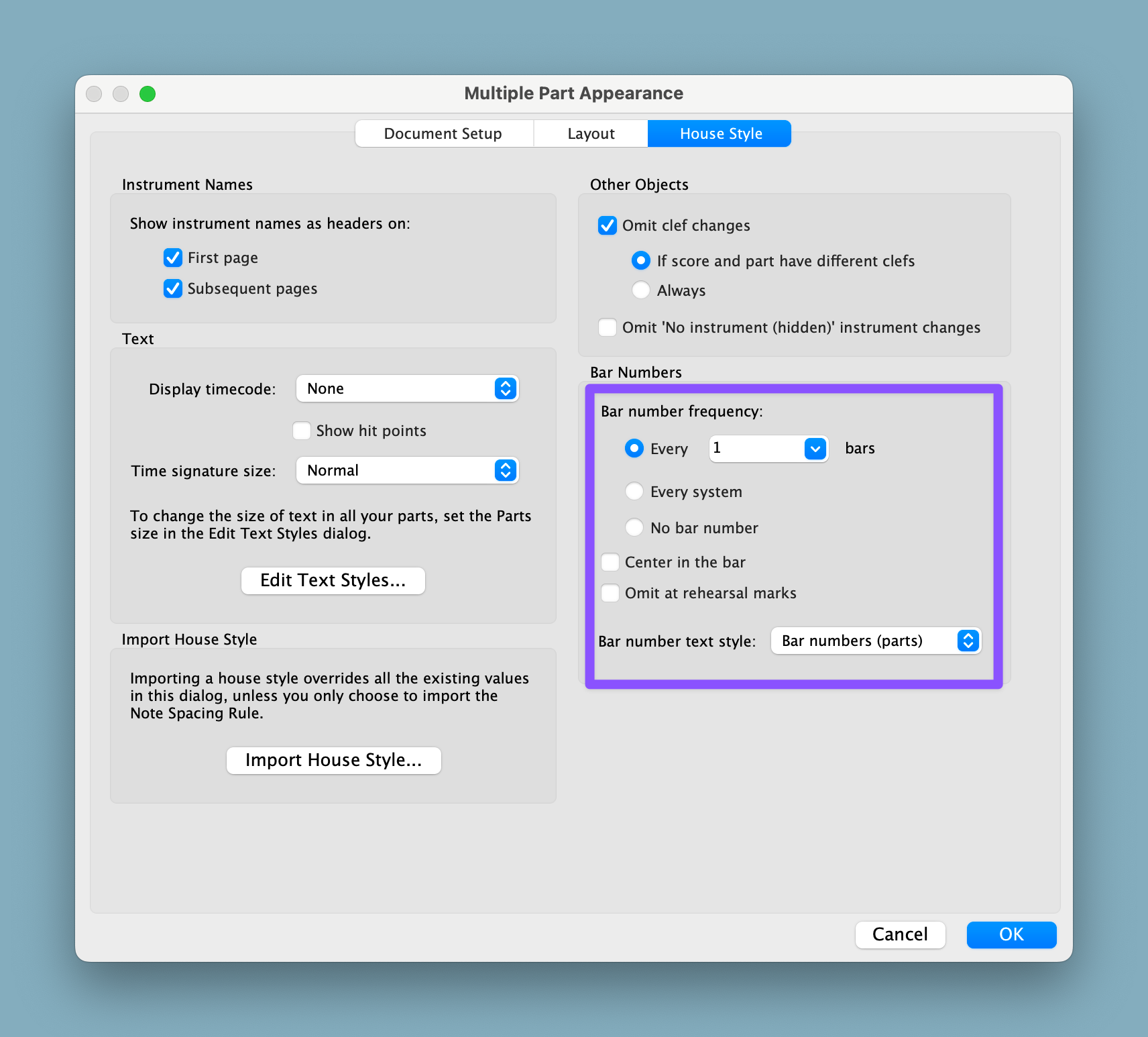
After configuring the score settings, we now shift our focus to the individual parts. Choose one to begin.
Templates 101: The Score
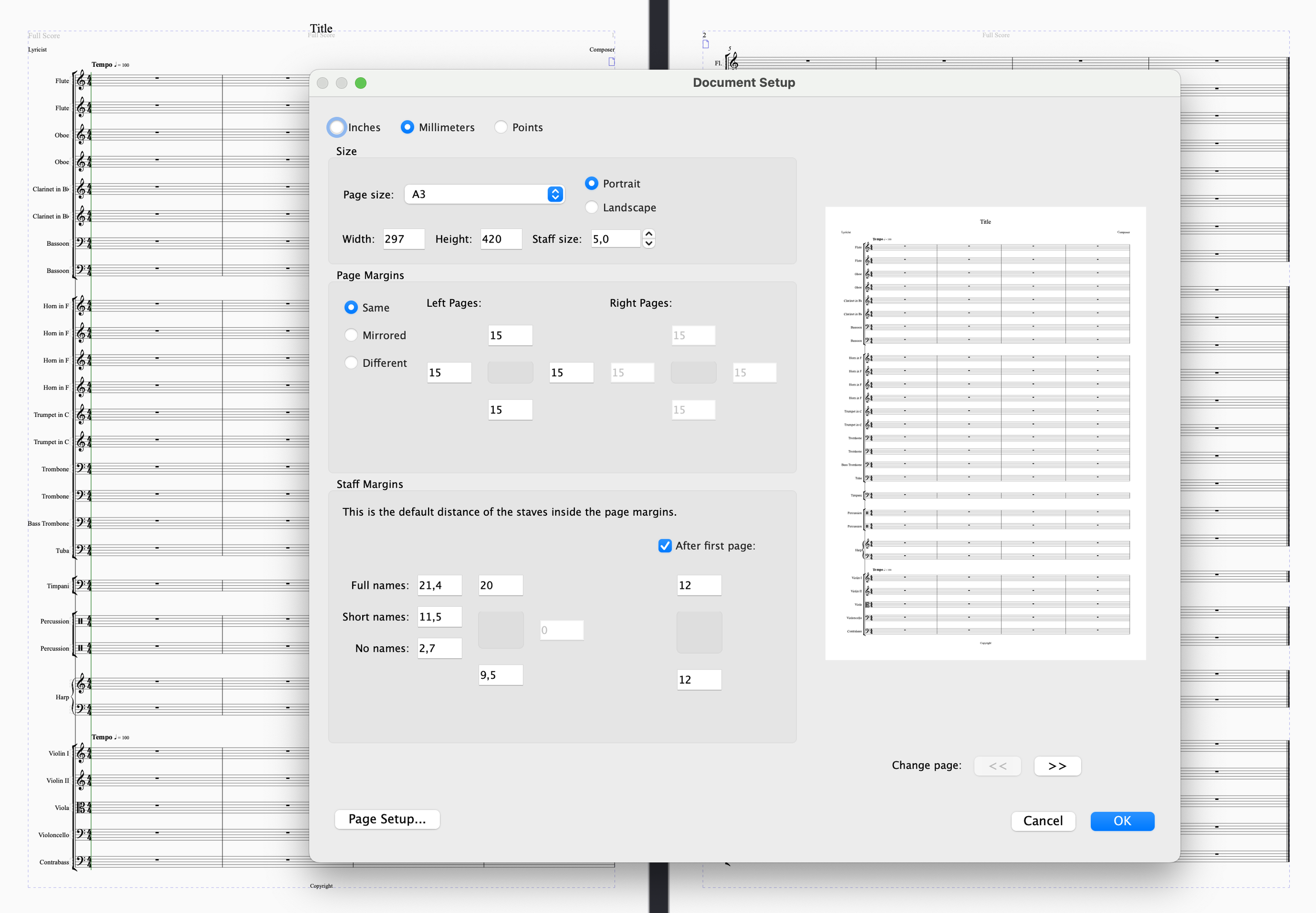
If this blog is about doing less and having more time for making music, cultivating a habit of creating and maintaining a template can streamline the process of setting up each score. It's about consistently approaching tasks in the same manner every time you start or finish a project, thus only needing to do them once.